Ari Engel Poker: Reading Tournament Updates by Blind Level and Table Size
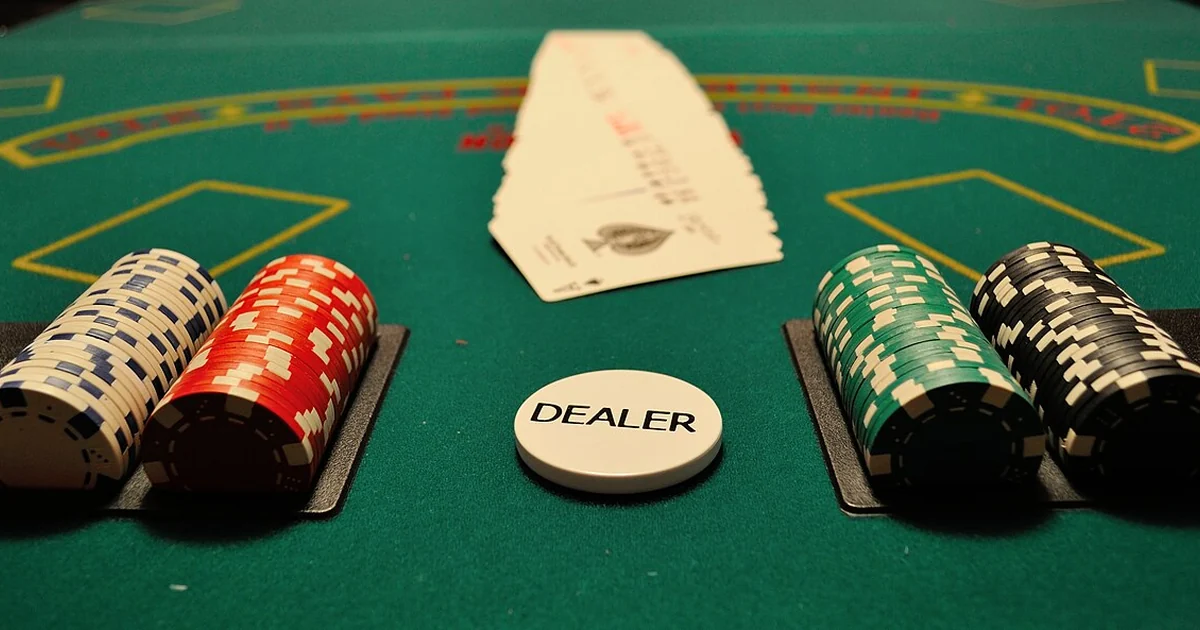
Ari Engel Poker covers tournament storylines, player branding, and PokerBlast network coverage, and fans who follow that coverage quickly notice that the same chip count can mean very different things depending on when it was posted. A stack of 40 big blinds in the early levels of a deep-stack event is a comfortable position. The same stack at a late level of a turbo structure may be a short-stack emergency. Reading tournament updates well means treating the timing of each report as part of the information, not an afterthought. This guide offers a method for doing that without relying on the reader's memory or guesswork.
Start With the Blind Level, Not the Chip Count
A chip count on its own tells you very little. The first question to ask is what the blind level was when the count was recorded. Tournament structures publish blind schedules, and most fans can find the level in effect when an update was posted. Once you know the level, convert the stack into big blinds. A player with 2,000,000 chips at a 50,000/100,000 level has 20 big blinds, while the same 2,000,000 at 200,000/400,000 has five. These are very different positions even though the number looks identical.
When a report gives only a chip count, treat it as incomplete. Note the time of the post, look for the blind level in the event's published structure, and calculate the stack in big blinds yourself. If the update does not include a level or a time, say so in your own notes rather than filling the gap with a guess. This habit keeps your read of the story honest and prevents you from comparing a stack from the opening hour with one from the final hour as though they were the same kind of moment.
Track Table Count and Seating Changes Over Time
Tournament fields shrink across the day, and the number of tables in play shapes how much a player's situation can change. When fifteen tables remain, a single hand rarely affects much beyond the people involved. When three tables remain, the same player may face a bubble, a payout jump, or a table-break decision that changes everything. Ask how many tables were in play when the update was posted, and whether a table break or redraw has happened since.
A useful habit is to keep a short running log for any player you follow closely. Record the time, the blind level, the table count, the player's stack in big blinds, and their seat or table assignment if it was reported. Over a long day, this log lets you see the arc of a run instead of reacting to a single post. It also reveals gaps: if three hours pass between updates, you should not assume the player's position stayed constant during that window.
Separate Known Results From Inferred Positions
Many tournament updates mix confirmed facts with inferences. A report that a player 'is in good shape' may be based on a chip count from an hour earlier, or on a reporter's read of the table. A report that a player 'has been eliminated' should be checked against a published results page or official event notice before you treat it as settled. Good fan practice is to sort every claim into one of three bins: confirmed by a timestamped source, reported without a clear source, or inferred from context.
When you find an inferred claim, do not discard it, but do not promote it either. Write down what would confirm or contradict it. If a post says a player is short and about to be forced all-in, you can check whether a later chip count or a bustout notice appears. Waiting for that confirmation protects you from sharing a story that the next update quietly reverses.
A Practical Checklist Before You Share an Update
Before you repost or repeat a tournament update, run through a short list of questions. First, what was the blind level when the stack was recorded, and what is the stack in big blinds? Second, what time was the update posted, and how old is it relative to the current event state? Third, how many tables were in play, and has a table break or redraw happened since? Fourth, is the claim confirmed by a timestamped source, or is it inferred? Fifth, if the player has been eliminated or moved, has that been verified?
Comparing two sources side by side is also useful. If one post reports a chip count and another reports a bustout, check which came later and whether they can both be true. Sometimes two accurate reports differ only because they were written an hour apart. Taking the time to line them up by timestamp usually resolves the apparent conflict and leaves you with a clearer picture of what happened and when.
Reading the Story Without Overreacting
Tournament coverage is designed to build momentum, and a single update can feel like the turning point of a run. A short stack's doubling-up can look like a comeback, and a big pot can look like the start of a deep run. Reading with discipline means waiting for the structure of the event to show you the trend. A player who doubles up once at a low blind level has gained a modest edge, while the same double at a late level may be decisive. Let the level, the table count, and the sequence of updates tell you how much weight an event deserves.
The goal is not to avoid excitement but to match it to the evidence. When you follow Ari Engel Poker coverage and its storylines, a steady habit of checking level, time, table count, and confirmation keeps your fandom informed rather than reactive. Over a full event, that habit tends to produce a far more accurate sense of who was really in a strong position and when.